
Posters
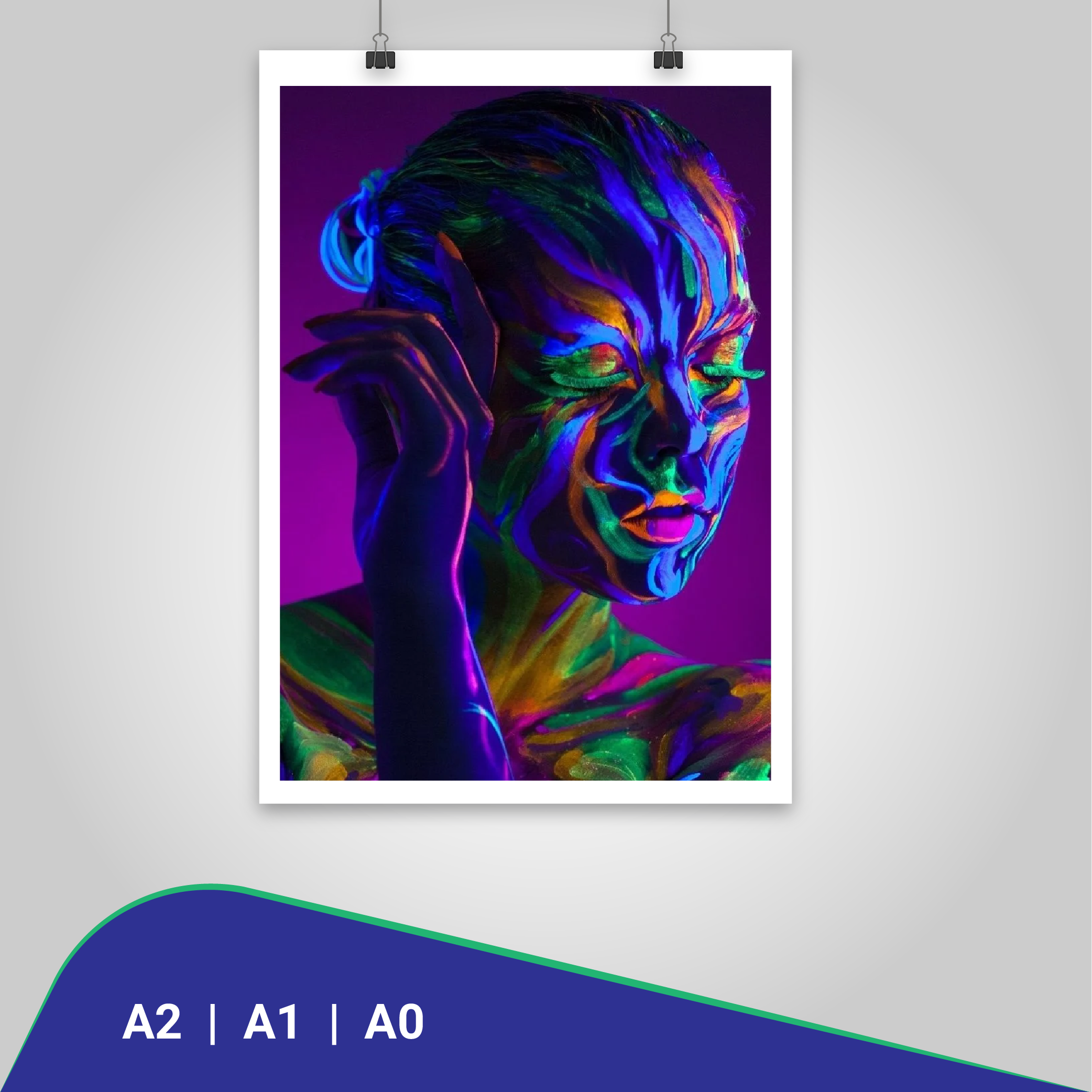
SKU
posters
Category Posters
Posters
Print: Full colour
Side: Single sided
Stock: 190gsm
Paper type: Matt | Gloss
Size: A2 | A1 | A0
R86,25 – R345,00Price range: R86,25 through R345,00
Please note that all designs must be supplied in High Resolution with a minimum of 3mm bleed and cutting lines. Visit our “learn more” page for more information.
Posters are printed materials typically made of paper or other materials that display information, promote events, advertise products, or convey messages visually. They are designed to be eye-catching and informative, often featuring a combination of text, images, and graphics. Here are some key characteristics and uses of posters:
- Purpose: Posters serve various purposes, including advertising events (such as concerts, movies, or exhibitions), promoting products or services, conveying information (like safety guidelines or educational content), advocating causes, or simply decorating spaces.
- Design: Posters are designed to be visually appealing and attention-grabbing. They often feature bold typography, vibrant colors, and compelling images or illustrations to attract viewers and convey the intended message effectively.
- Types: There are different types of posters based on their purpose and design. For instance, movie posters aim to attract audiences to films with captivating imagery and information about the movie. Educational posters in classrooms provide visual aids for learning topics. Political posters express political viewpoints or campaign messages.
- Distribution: Posters are typically displayed in public spaces such as streets, bulletin boards, walls, and windows of businesses, schools, theaters, and community centers. They may also be distributed as handouts or mailed as part of promotional campaigns.
- Materials: While traditional posters are often printed on paper, modern printing technologies allow posters to be produced on various materials including vinyl, fabric, or synthetic materials like PVC. This enhances durability and allows for outdoor use.
- Sizes: Posters come in various sizes, from small formats suitable for indoor display to large formats for outdoor billboards.
| Size | A2 – 420 x 594mm, A1 – 594 x 841mm, A0 – 841 x 1189mm |
|---|